 In the article “Long Term Success or Survival” I quoted one of my professors when he said that “the failure rate (of large companies) is so high not despite the efforts of MBA-educated managers, but because of it! In fact they are awarded a Master in Business Administration and not a Master in Business Innovation”.
The message is that managing new and innovative markets is distinctively different from managing existing ones. It will require different competencies, different strategies and, most importantly, a different managerial mindset.
In existing, mature markets the threat of imitation is particularly high, meaning that companies have an incentive to keep knowledge and technology proprietary. A firm developing a new soft drink will try to keep its formula secret. A shoe manufacturer will not let competitors copy its new design before it hits the market. So far so good, after all that is what people learn in business schools.
When we consider new markets, however, trying to hold knowledge or technology proprietary might backfire. Companies that successfully introduced innovations often shared their technology to the benefit of other economic actors, deliberately reducing their revenues in favor of a faster customer adoption.
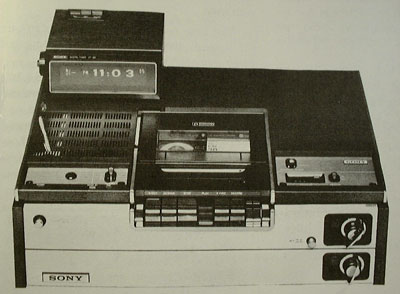
One of the reasons JVC´s VHS video recording technology out placed Sony’s Betamax was the broad adoption it conquered. JVC licensed out the VHS technology to a variety of electronic manufacturers including Hitachi, RCA and Matsushita (Panasonic). Sony, on the other hand, tried to keep its technology (superior under most technical parameters) strictly proprietary.
Sony invested in a technology and tried to profit from the technology. JVC invested in a technology, created market, and profited from that market. Those a quite different approaches.
Innovation management is not only about creating a technology for the market, but also creating a market for the technology.
Comments are closed.